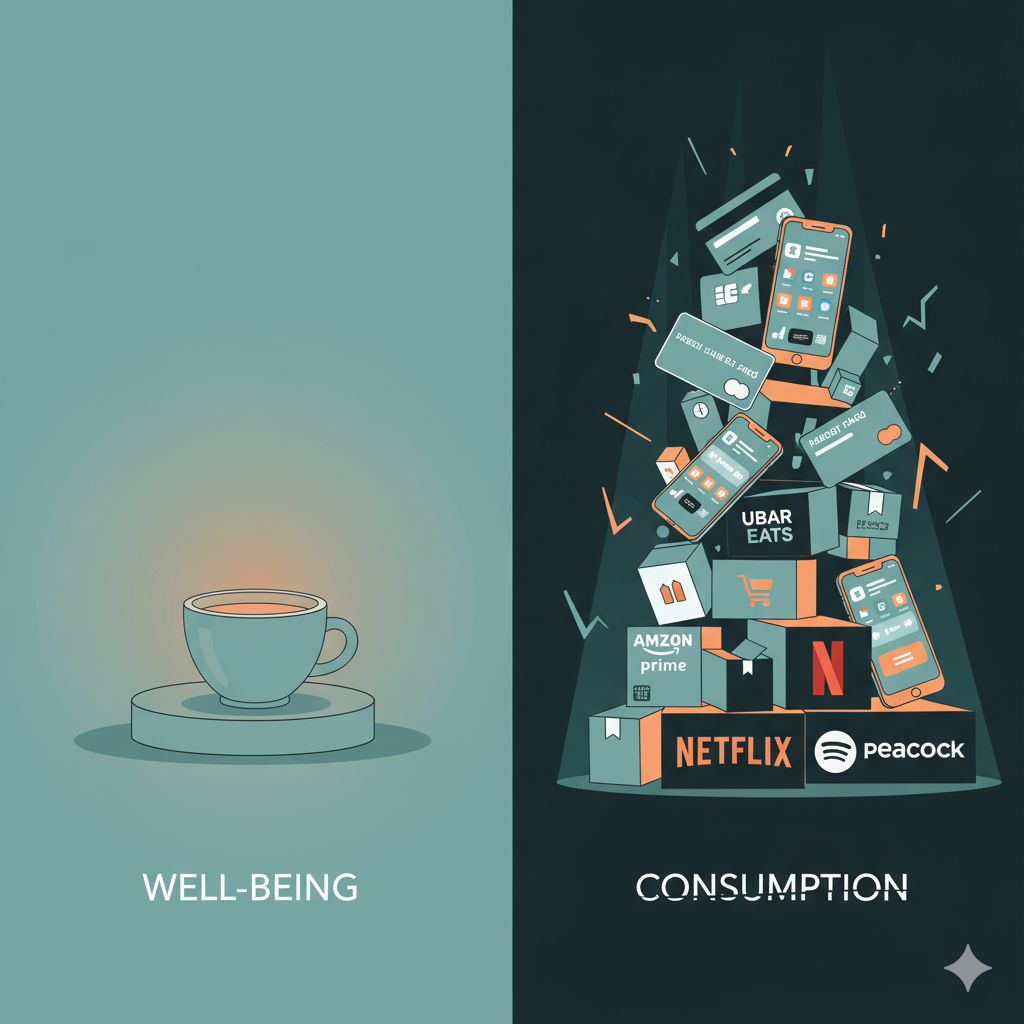
Stop Blaming Your Coffee: The Real Reason You’re Broke
Why the Coffee Isn’t the Culprit
It’s easy to point fingers at little habits like buying coffee every day, thinking they drain our funds. But when you look closely, these expenses are often just a symptom of larger financial issues. Millions of Indians face the same challenge—money slipping away, despite being careful in small spending areas.
Blaming coffee gives us an illusion of control. It’s simpler than confronting financial realities like income management, debt, or rent hikes. So why is this deflection so common?
- Small daily costs are visible and easy to quantify compared to bigger financial leaks
- We tend to overlook gradual financial pressures like inflation or loan interest
- Making excuses feels better than facing uncomfortable financial habits
The Real Reasons Why You’re Broke in India
1. Stagnant Income and Rising Living Costs
The Indian middle class, including salaried workers and professionals, often suffer from salary stagnation with little real wage growth over the years. Meanwhile, inflation pushes the cost of essentials like food, housing, transport, and healthcare higher every year, leading to this paradox of “earning the same but spending more.”
For example, many households spend a significant chunk of their monthly income on rent and groceries, which keeps increasing. Even with a monthly income of ₹30,000 to ₹50,000, making ends meet becomes challenging if expenses rise faster than income growth.
2. Poor Financial Literacy and Budgeting Habits
Financial education remains limited for many Indians. Without proper budgeting, saving, or investing knowledge, individuals tend to lose track of their money. They might prioritize short-term wants over essential savings or investment, leading to long-term stress.
Having a clear financial plan that includes emergency funds, insurance, and investing even small amounts regularly is crucial to building wealth.
3. Debt and High-Interest Traps
Loans for consumer goods, education, or housing are common in India. However, lack of careful planning or awareness about interest rates and repayment schedules often turns debt into a burden. Many fall into a cycle where they borrow more to pay past debt, increasing financial pressure.
4. Job Insecurity and Unstable Employment
The fear of job loss or insufficient job opportunities adds another layer of financial anxiety. Contractual, gig, or less predictable jobs mean irregular income, making it tough to plan monthly budgets or save consistently.
5. Lifestyle Inflation and Peer Pressure
With social media and community comparisons, lifestyle inflation is a growing factor, especially among younger Indians. New gadgets, branded clothes, vacations, and eating out contribute to rising expenses that don’t necessarily match income growth.
How to Take Control
Be Honest with Your Spending
Start tracking every rupee that goes out. Use budgeting apps or simple notebooks. Seeing your real spending habits will clarify where money leaks are happening beyond that cup of coffee.
Create a Realistic Budget
Make a monthly plan prioritizing essentials, debt repayment, and savings before discretionary spending. Try the 50/30/20 rule adjusted for your income and goals – 50% for needs, 30% for wants, 20% for savings/debt.
Build an Emergency Fund
Unexpected expenses can derail finances. Aim to save at least ₹20,000-₹50,000 (or 3-6 months of essentials) to improve your financial resilience and reduce stress.
Manage Debt Carefully
Prioritize paying off high-interest debts. Avoid impulsive loans and use credit products responsibly.
Invest for the Future
Start with small SIPs in mutual funds or recurring deposits. Investments can help beat inflation and build wealth over time.
Enhance Financial Knowledge
Use free financial literacy resources by Indian banks, government initiatives, and credible personal finance bloggers (like yourself!) to improve your money management skills continuously.
Conclusion
It’s easy to blame small indulgences like coffee for being broke, but the real reasons are far more systemic and complex. Understanding income challenges, managing expenses rigorously, avoiding debt traps, and educating ourselves financially are the true keys to building a strong financial foundation.
Take small, consistent steps to control your finances. Soon, those small pleasures like coffee can be truly guilt-free, enjoyed with confidence knowing your financial house is in order.
Frequently Asked Questions (FAQs)
Q1: Is cutting out coffee really going to help my finances?
While cutting some discretionary expenses like coffee can help save a few hundred rupees a month, it won’t be enough if bigger financial habits aren’t fixed. Focus on budgeting and managing bigger expenses instead.
Q2: How can I start budgeting if I don’t earn much?
Even with a modest income, start by listing income and monthly expenses. Prioritize essentials and try to set aside even a small amount for savings to build a buffer gradually.
Q3: What are some good financial resources for Indians?
Resources like National Centre for Financial Education (NCFE), SEBI investor awareness, government schemes, and Indian personal finance blogs can provide credible guidance tailored to Indian context.
Q4: How do I avoid falling into loan traps?
Only borrow what you can repay comfortably. Understand interest rates and repayment terms. Avoid multiple loans, and focus on clearing existing debts before taking new ones.
Q5: What should I do if I have unstable income?
Create a flexible budget focusing on essentials first. Maintain a larger emergency fund if possible and explore ways to diversify your income streams.